


What is Load Management?
Load management is the careful regulation of stress placed on the body through training, rehabilitation or daily activity. It balances the amount of load applied with the recovery required so the body can adapt safely. Load can be external, such as physical work performed, or internal, reflecting how the body responds physiologically or psychologically.
External load includes repetitions, lifting volume or activity duration. Internal load reflects responses such as fatigue, perceived exertion or heart rate. Appropriate load stimulates adaptation in muscles, tendons, bones and other tissues. When load exceeds capacity or recovery is insufficient, overload may occur, increasing the risk of injury or reduced function.
HOW LOAD AFFECTS THE BODY
Load can affect many areas of the body. Sudden increases in lower limb activity may stress muscles or bones, while repeated upper limb activity can stress tendons or joints. Rehabilitation exercises require careful progression to allow safe adaptation.
Load management is also relevant for non-athletes. Office workers may overload the neck and lower back through prolonged sitting, while manual workers may strain tissues from repeated lifting or bending. Even recreational activity or increased daily tasks can exceed tissue capacity if progression is too rapid.

WHY LOAD MANAGEMENT MATTERS
It helps the body adapt safely, reducing the risk of overuse injuries and supporting long-term function. It is relevant in sport, rehabilitation and everyday life, ensuring steady progress and improved performance.
HOW WE CAN HELP
At Fortitude Chiropractic, we can assess your current load and design a plan balancing progression with recovery. For athletes, structured exercise programs can gradually increase volume or intensity. For those recovering from injury, rehabilitation can be tailored to safely increase load while monitoring tissue response. For office or manual workers, guidance may include exercise, movement breaks and general work-related recommendations to manage stress on the body.
Treatments such as soft-tissue therapy, dry needling, and adjustments can help reduce discomfort, improve tissue mobility, and support safer progression of load during rehabilitation and training.
Book an appointment online or call us today to get an assesment from on our team taliored to you and your lifestyle.

References
- Cardoso TB, Pizzari T, Kinsella R, Hope D, Cook JL. Current trends in tendinopathy management. J Sci Med Sport. 2020;23:1171-1176.
- Sivrika AP, Papadamou E, Kypraios G, Lamnisos D, Georgoudis G, Stasinopoulos D. Comparability of the Effectiveness of Different Types of Exercise in the Treatment of Achilles Tendinopathy: A Systematic Review. Healthcare (Basel). 2023;11:2268.
- Campos-Villegas C, Ortega-Pérez de Villar L, Gámez-Payá J, Alarcón-Jiménez J, de Bernardo N. Clinical Progression and Load Management For Proximal Hamstring Tendinopathy In A Long-Distance Runner: A Case Report. Medicina (Kaunas). 2024;60:187.
Related Blogs
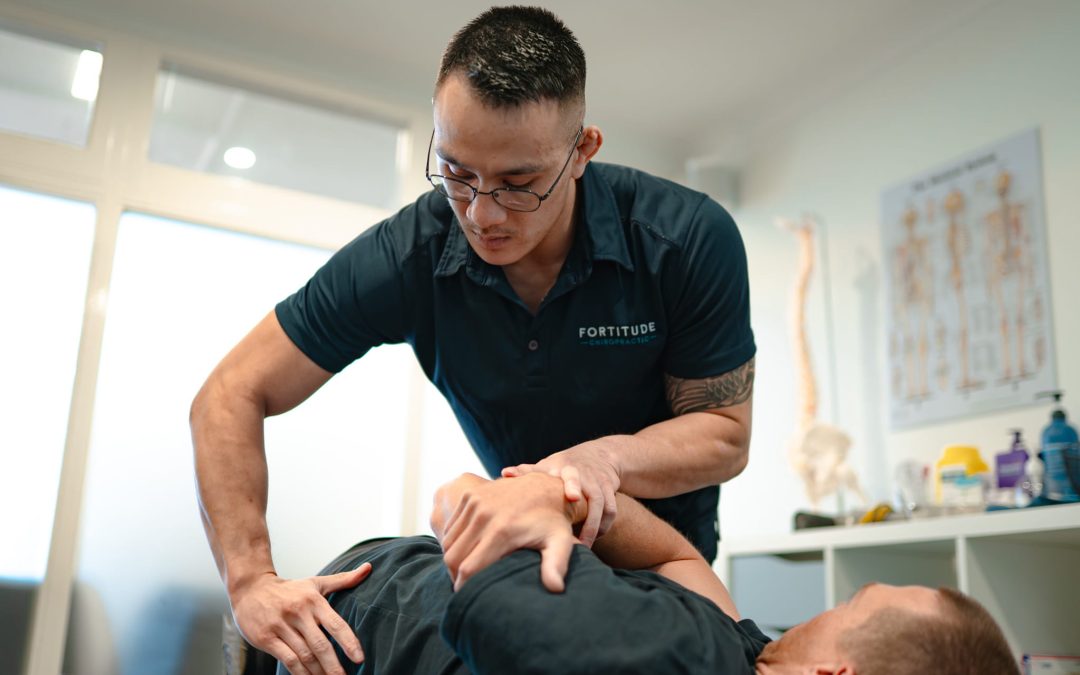
How to Keep Your Spine Healthy: 6 Habits That Help
How to Keep Your Spine Healthy: 6 Habits That HelpWondering how to keep your spine healthy? Most of it comes down to everyday habits: moving often, building strength, sleeping well and easing into new activity. Chiropractic care can support those habits, especially if...
FIFO Back Pain: Looking After Your Back On Site and On R&R
FIFO Back Pain: Looking After Your Back On Site and On R&RFIFO back pain is common, and it’s rarely down to one thing. Long shifts, machine seats, heavy lifting, camp beds and flights all add up. A chiropractor can find out what’s driving your pain, treat it on...

Do Chiropractors help with more than the spine?
DO CHIROPRACTORS HELP WITH MORE THAN THE SPINE?Chiropractic care is often associated primarily with spinal treatment, however its scope extends to the entire neuro musculoskeletal system. This includes muscles, joints, nerves, tendons, and ligaments throughout the...